
The Government of Mexico, through the Presidential Commission for Electoral Reform, announced that in October, consultations, forums, and discussion tables will begin to develop a comprehensive proposal for Electoral Reform. This process will be broad and inclusive, involving social and civil organizations, political parties, Indigenous communities, educational and research centers, legislators, INE councilors acting as citizens, and, in general, the entire Mexican people.
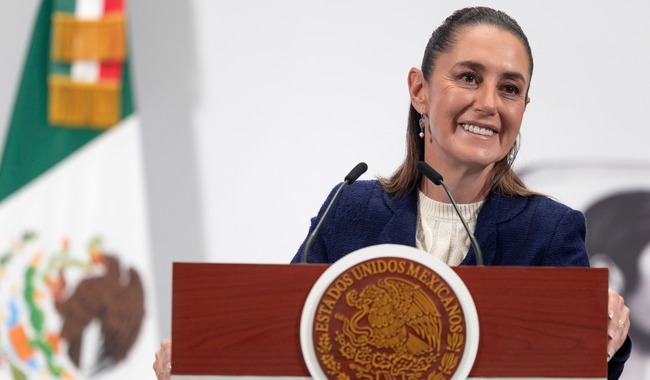
President Claudia Sheinbaum Pardo emphasized that the goal is to ensure maximum citizen participation and address key topics such as party financing, the party system, electronic voting, campaign resource distribution, and proportional representation in the Chamber of Deputies and the Senate. “It is open to everyone who wants to put their ideas on the table. What we want is that electoral fraud never returns to our country,” she stated.
Sheinbaum reported that a digital platform will be developed so that citizens can participate online, ensuring that no one is excluded from the debate. She stressed that this democratic exercise aims to gather all voices to build a strong and consensual proposal.
The head of the Commission, Pablo Gómez Álvarez, stated that the conclusions of this process will be presented to the president in January 2026. He explained that public hearings, debates, and events will be held across the country, as well as activities at the Ministry of the Interior’s headquarters under the leadership of Rosa Icela Rodríguez Velázquez, to promote the dissemination and analysis of proposals.
During the consultations, 14 central topics will be discussed: political freedoms, people’s representation, the party system, financing and auditing of resources, effectiveness of suffrage, regulation of electoral competition, freedom of dissemination, government propaganda, the voting system, electoral authorities, eligibility requirements, immunity of elected officials, popular consultations, and recall of mandate.